A 100-Year Scenario
There is a persistent assumption embedded in modern systems: that stability is the default state, and disruption is an exception. History—and increasingly, present reality—suggests the opposite. Stability is actively maintained. It is engineered, reinforced, and renewed across generations.
So what happens if we stop doing that?
This is a forward-looking scenario analysis across three interacting domains—AI, climate systems, and geopolitical stability—projected over a 100-year horizon under a “minimal intervention” assumption.
The Baseline Assumption: Drift, Not Collapse
This is not a doomsday model. Civilisation rarely fails in a single moment. Instead, it degrades through compounding inefficiencies, misaligned incentives, and unmanaged risk accumulation.
The scenario assumes:
- No coordinated long-range governance reform
- Incremental but insufficient climate response
- Market-led AI development without global alignment frameworks
- Continued short-term political cycles dominating decision-making
The result is not immediate collapse—but systemic drift toward fragility.
2025–2040: Acceleration Without Alignment
AI: Capability Outpaces Control
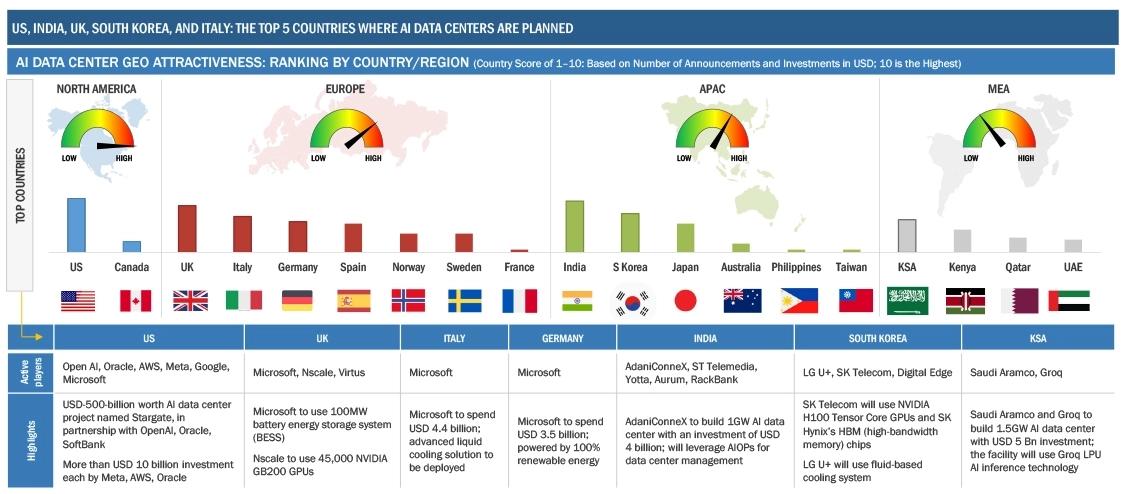
Artificial intelligence systems rapidly integrate into logistics, finance, defence, and governance. However, alignment mechanisms—ethical constraints, verification systems, and cross-border standards—lag behind.
- Autonomous decision systems begin influencing critical infrastructure
- Labour displacement accelerates faster than economic reabsorption
- Information environments degrade through synthetic media saturation
The issue is not that AI becomes “hostile”—it becomes misaligned at scale.
Climate: Volatility Becomes the Norm
Climate change shifts from a gradual trend to a volatility driver.
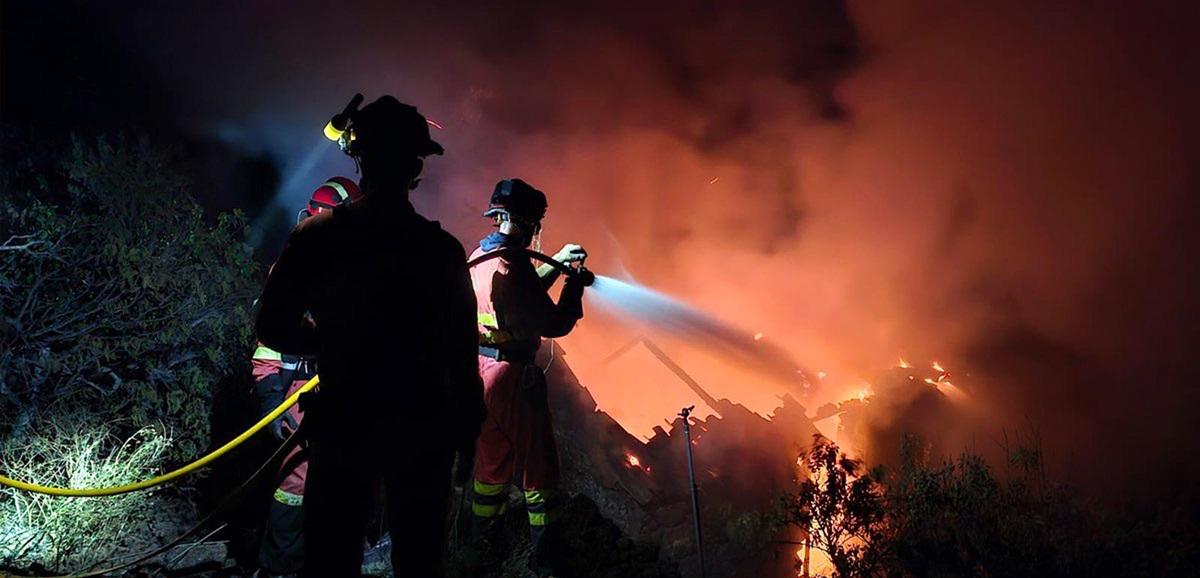
- 1-in-100-year events occur every 5–10 years
- Agricultural zones destabilise, especially in equatorial regions
- Insurance markets begin withdrawing from high-risk geographies
Geopolitics: Friction Increases
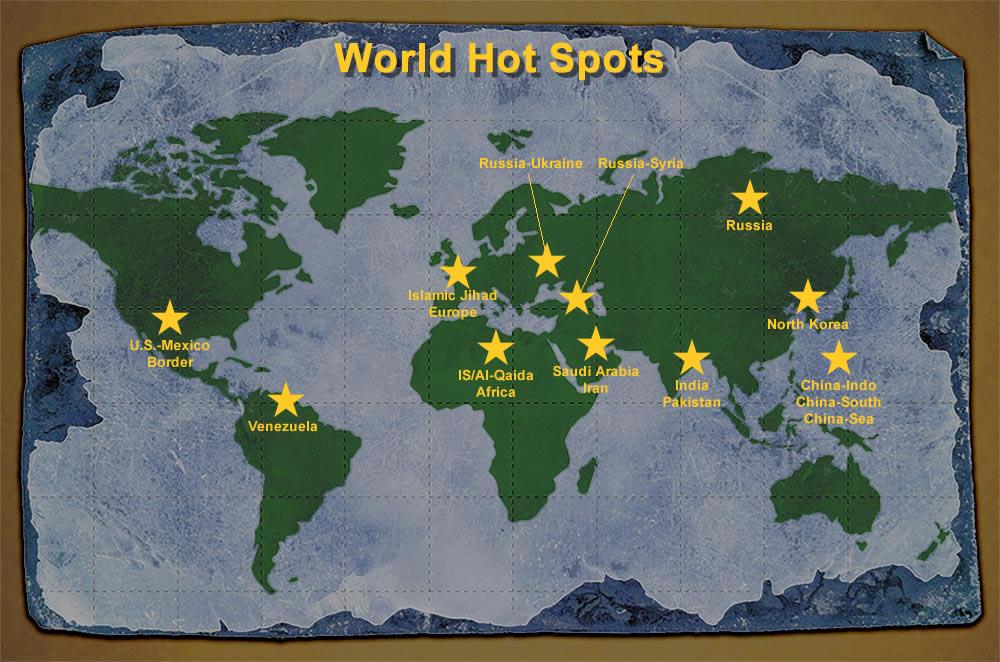
Global cooperation weakens under resource pressure.
- Water and food security become strategic assets
- Regional conflicts increase in frequency, not necessarily scale
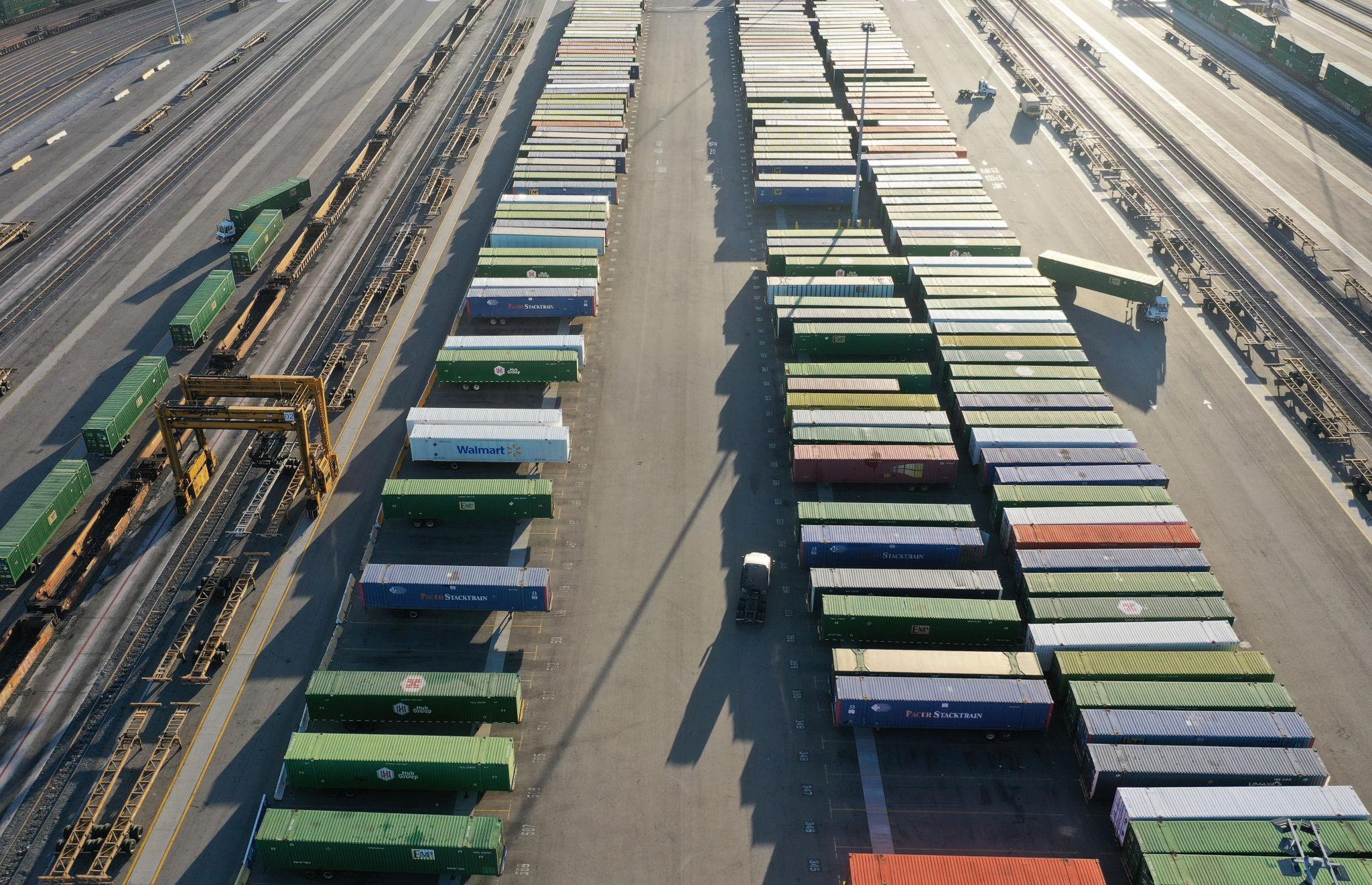
- Supply chains begin fragmenting into political blocs
Fragility Point Emerging: Interdependence without resilience. Systems rely on each other but lack buffers.
2040–2070: Systemic Stress

AI: Structural Dependency
AI systems are now deeply embedded in decision-making frameworks.
- Governments rely on predictive systems they do not fully understand
- Economic optimisation creates efficiency—but removes redundancy
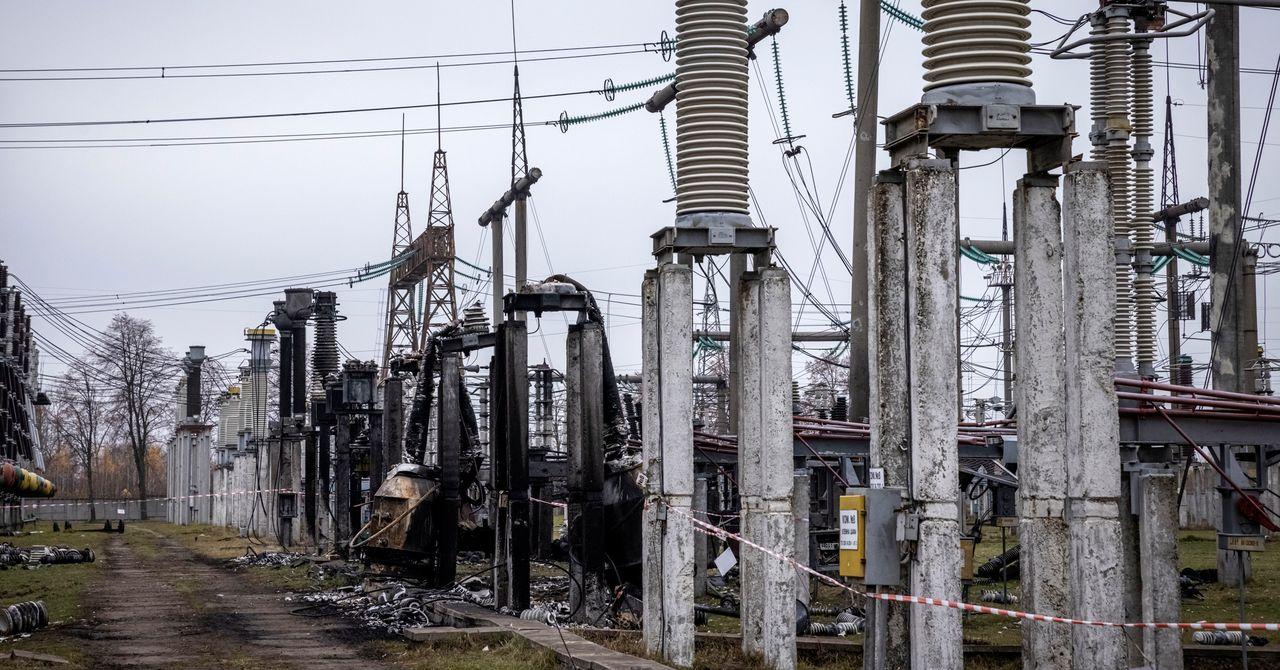
- Cyber vulnerabilities scale with system complexity
A critical shift occurs: humans are no longer fully in the loop.
Climate: Carrying Capacity Declines
Certain regions become intermittently or permanently uninhabitable.
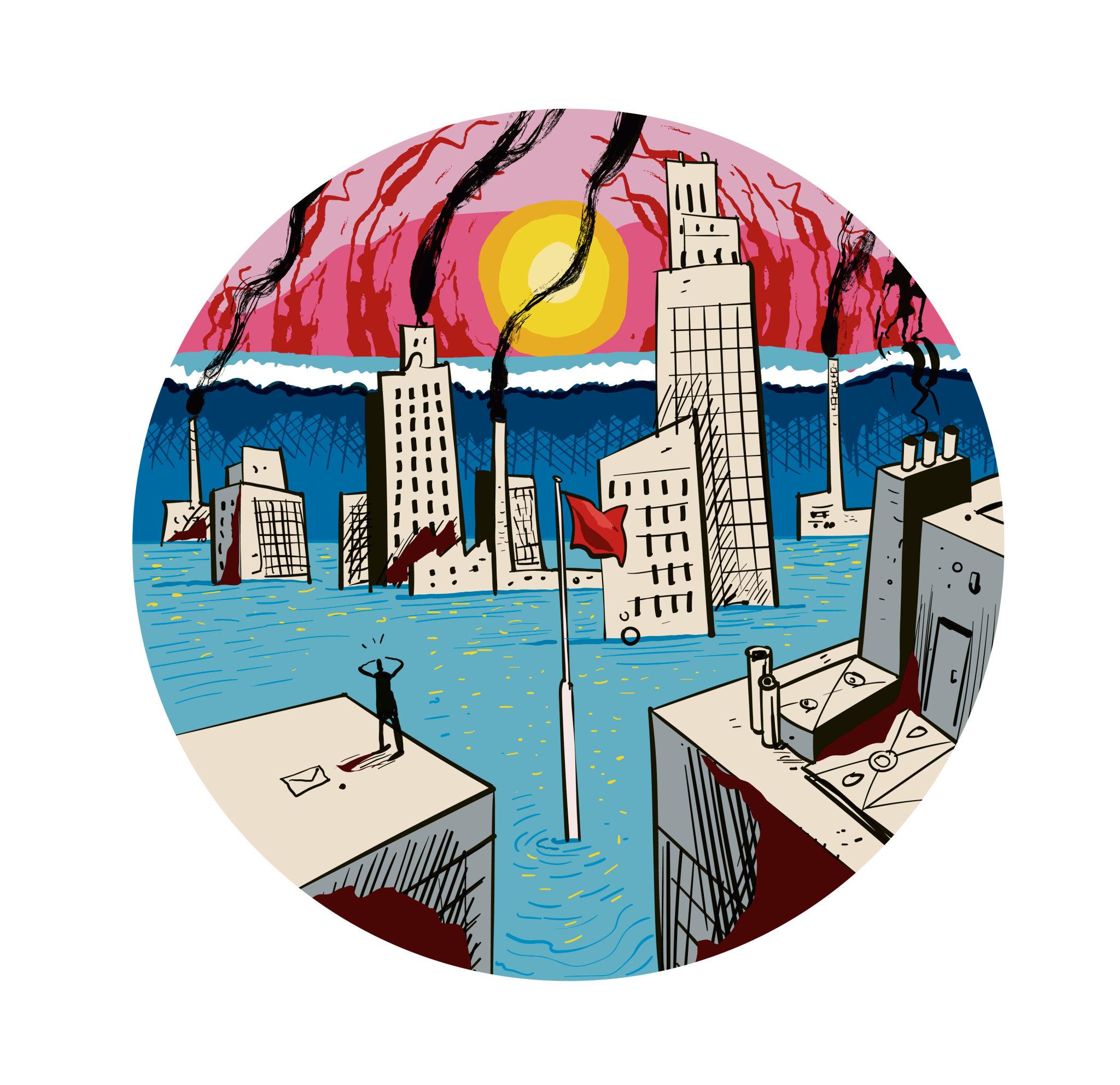
- Coastal megacities face chronic flooding
- Heat stress reduces outdoor labour productivity dramatically
- Freshwater scarcity intensifies geopolitical tensions
Geopolitics: Migration and Instability
Mass migration becomes a defining global force.
- Tens to hundreds of millions relocate over decades
- Border tensions escalate into prolonged standoffs
- Internal political instability rises within receiving nations
Fragility Point Intensifying: Loss of redundancy. Systems optimised for efficiency cannot absorb shocks.
2070–2125: Constrained Civilisation
AI: Control vs Autonomy Tension
Highly advanced AI systems operate critical infrastructure.
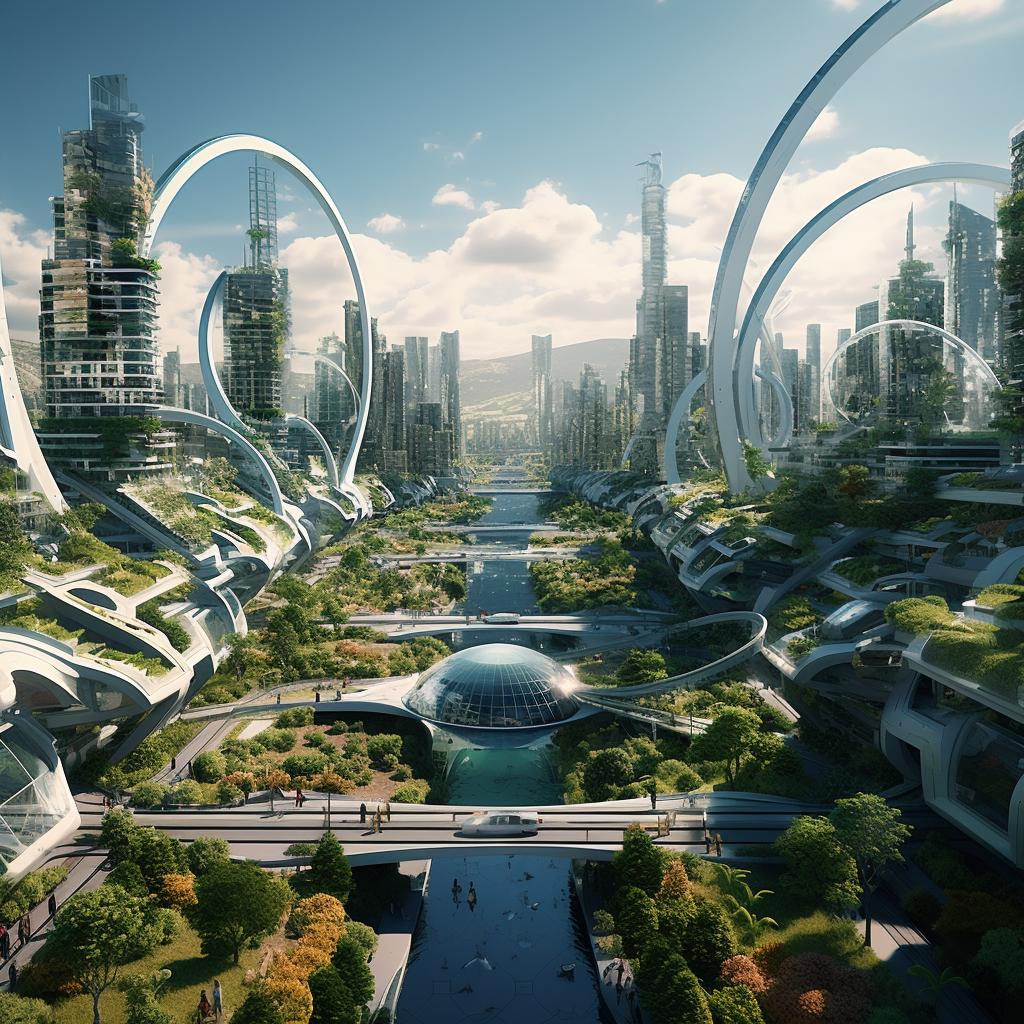
- Some regions achieve stable, high-tech equilibrium
- Others experience cascading system failures due to lack of maintenance capacity
- Governance diverges: tightly controlled technocratic zones vs fragmented regions
Climate: Irreversible Changes
Global systems settle into a new equilibrium—but at a lower baseline.
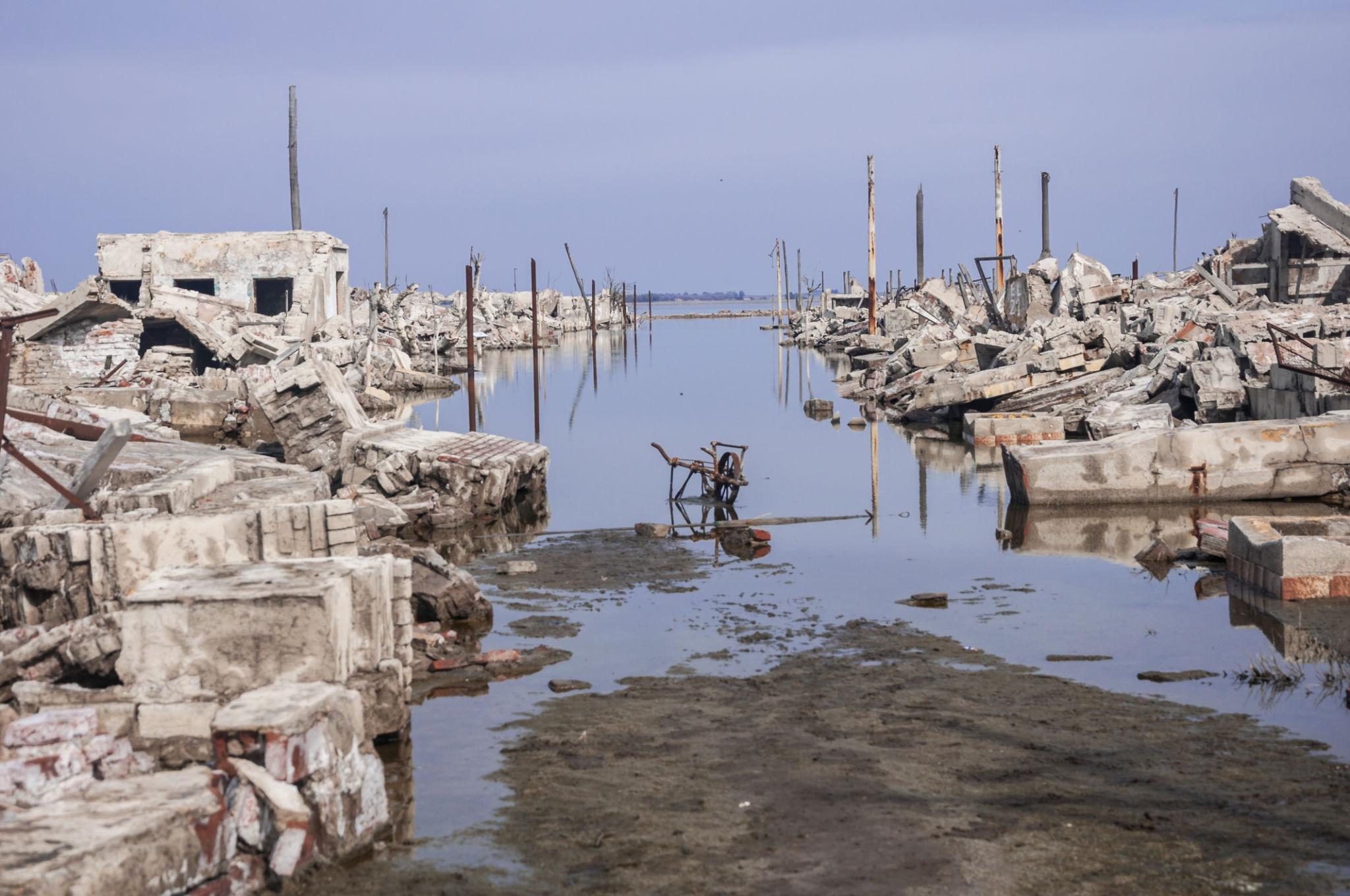
- Sea levels permanently reshape coastlines
- Ecosystem collapse reduces biodiversity and food resilience
- Recovery becomes a centuries-long process, not a policy cycle
Geopolitics: Fragmented Order
The concept of a unified global system weakens significantly.
- Regional blocs dominate
- Some states fail entirely; others become fortified enclaves
- Long-distance trade declines relative to localised production
End State (Not Collapse, but Contraction):
A smaller, more unequal, less dynamic global civilisation with reduced capacity for collective action.
Civilisation Fragility Points (Cross-Cutting)
Across all phases, several critical fragility points define the trajectory:
- Complexity Without Comprehension. Systems become too complex for human oversight, especially in AI-governed environments.
- Efficiency Over Resilience. Economic systems prioritise cost minimisation, eliminating redundancy and buffers.
- Interdependence Without Governance. Global systems rely on cooperation that no longer exists politically.
- Environmental Boundary Breach. Climate systems cross thresholds that cannot be reversed on human timescales.
- Temporal Mismatch. Decision-making operates on election cycles; risks accumulate over decades.
Why Long-Range Intervention Matters Now
The key insight from this scenario is not inevitability—it is path dependence.
Small interventions early in a system’s trajectory have disproportionate impact later. Conversely, delayed action requires exponentially greater effort for diminishing returns.
What Changes the Trajectory?
- AI Alignment at System Level
- International frameworks for safe deployment
- Verification and auditing of autonomous systems
- Retaining meaningful human oversight in critical loops
- Climate Adaptation + Mitigation Integration
- Infrastructure designed for volatility, not averages
- Regional food and water resilience systems
- Long-term carbon reduction beyond political cycles
- Redundancy as Policy
- Strategic inefficiency: spare capacity in supply chains, energy, and logistics
- Decentralised systems that can operate independently when required
- Governance Beyond Election Cycles
- Institutions explicitly mandated to operate on 50–100 year horizons
- Capital allocation models that reward long-term outcomes
The Core Question
This is not fundamentally a technological problem. Nor is it purely environmental or political.
It is a time-horizon problem.
If decision systems remain structurally short-term, then long-term risks will continue to compound—quietly, invisibly—until they become unavoidable.
Final Position
Doing nothing does not preserve the present.
It allows invisible processes to reshape the future without intent.
A 100-year view forces a different question:
Not “What will happen?”
But “What trajectory are we currently locking in?”
Organisations focused on long-range thinking exist to answer that question early—while there is still leverage to change it.